Oh, it’s the end of June!
The Springtime, “hold onto your pants!” season happened. June is almost done; I ran a fairly tight ship the last few months, and everything is just fine. The recap of these months was a combination of kidding, taking on a new group of goats (while recovering from food poisoning), balancing work, staying overnight at a farm school, helping support students, and working my nonprofit job.
A Complicated Kidding
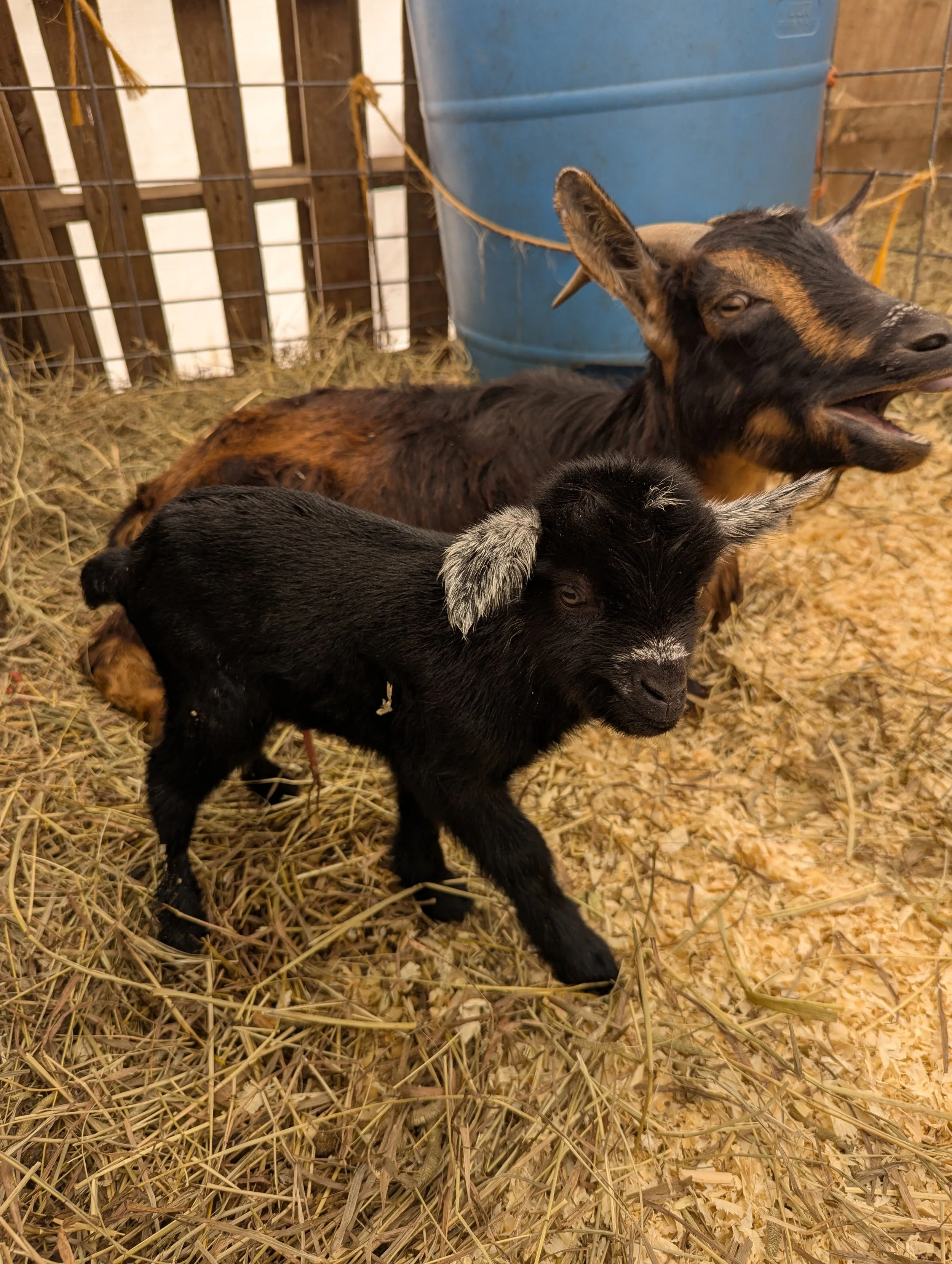
Chim has a big yawn after Marduk is born.
By the grace of luck, I was able to be at home and or available for every kidding. And it proved to be crucially important as two does needed assistance that may have proved to be fatal to both doe and kids if I hadn’t been there to help. I was expecting to assist a doe that has had kidding issues in the past. And the other doe was suspect, as it was her first kidding. While one assist was very stressful, everything turned out just fine. Imagine an extra large buckling being birth by a first time mother. And that buckling happens to have one of its front legs strangely twisted behind the opposing shoulder and being stuck in the birth canal. With patience and experience I was able to get the front leg into position to be properly birthed. The mom was exhausted, but was soon alert and excited to be a new mom!
Congratulations to all the does and their kids. With a total of 11 new Tepper Line SCI goat kids and an additional 2 SCI goat kids from goats who don’t carry any significant lines. The Tepper kids are varied in colors and are absolutely beautiful. With a lot of self-black, frosted noses, ears, and tails, and a hardy nature.
Over two months ago, I started putting up my electric net fence and sending the goats out on pasture for their roughage. We had a fairly normal-ish spring, but more recently we have been in drought conditions. We finally started getting regular rain, with some more precipitation in the forecast. Drought seems to be the new “normal” for quite a few years, with a sprinkling of extreme weather that can wreak havoc.
Years of pasture care, decent land management, and diversity improvement have allowed pastures to get through drought longer without burning up. But it is still stressful to see a food source for the goats potentially dry up and die, and to recognize that I may have to buy in even more hay to feed goats on dry lots to allow pastures to recover.
The Bucks Have It
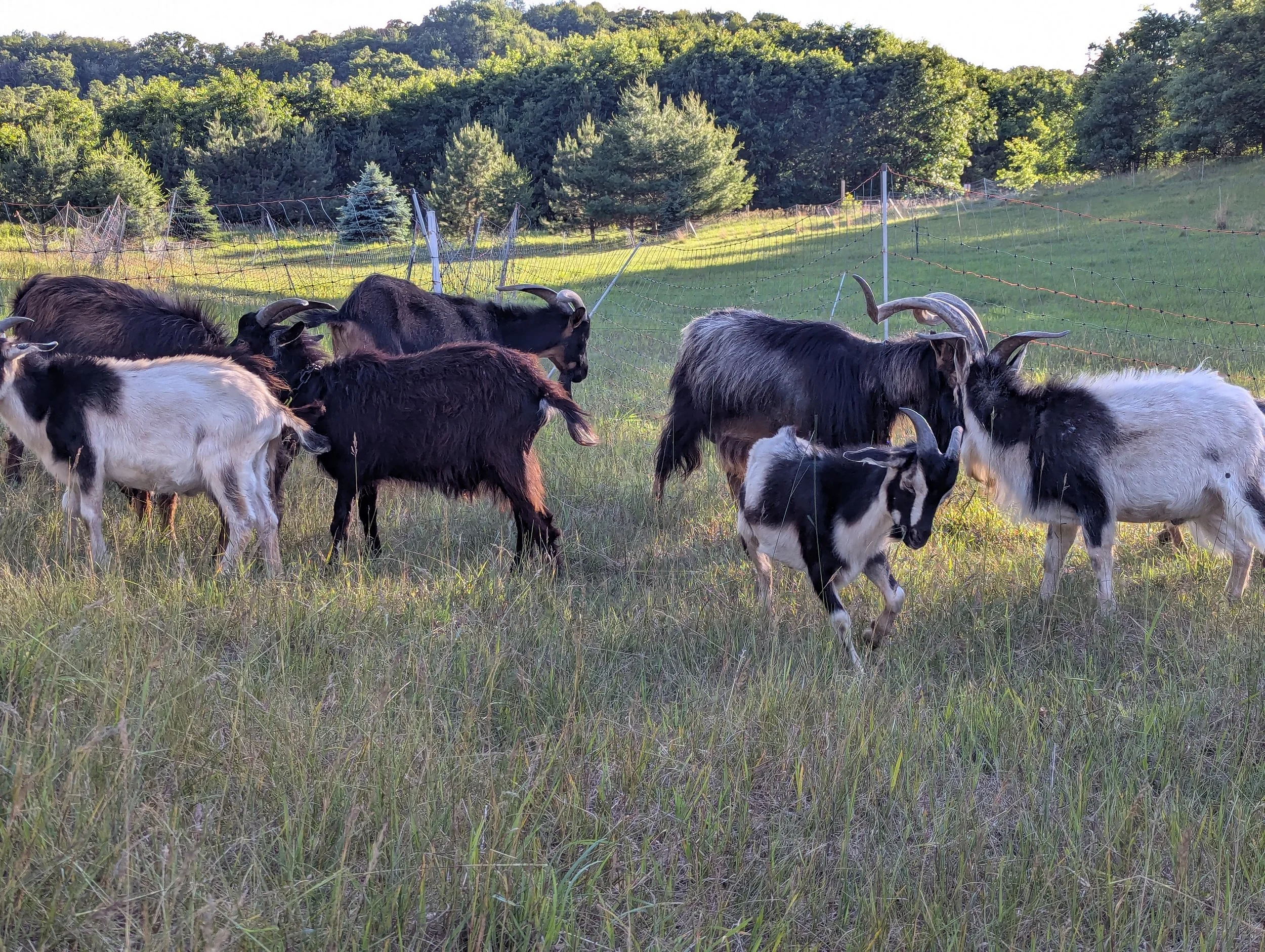
The group of all age bucks and wethers are on pasture rotation in the front field.
July is just a few days away, with a heat advisory warning taking effect tomorrow. Everything is as prepared as it can be to help the goats get through this heat wave. And I’m mentally preparing myself for this as well. I still have to work outside to get things done around the farm, but I will be smarter about doing these jobs in the early morning.
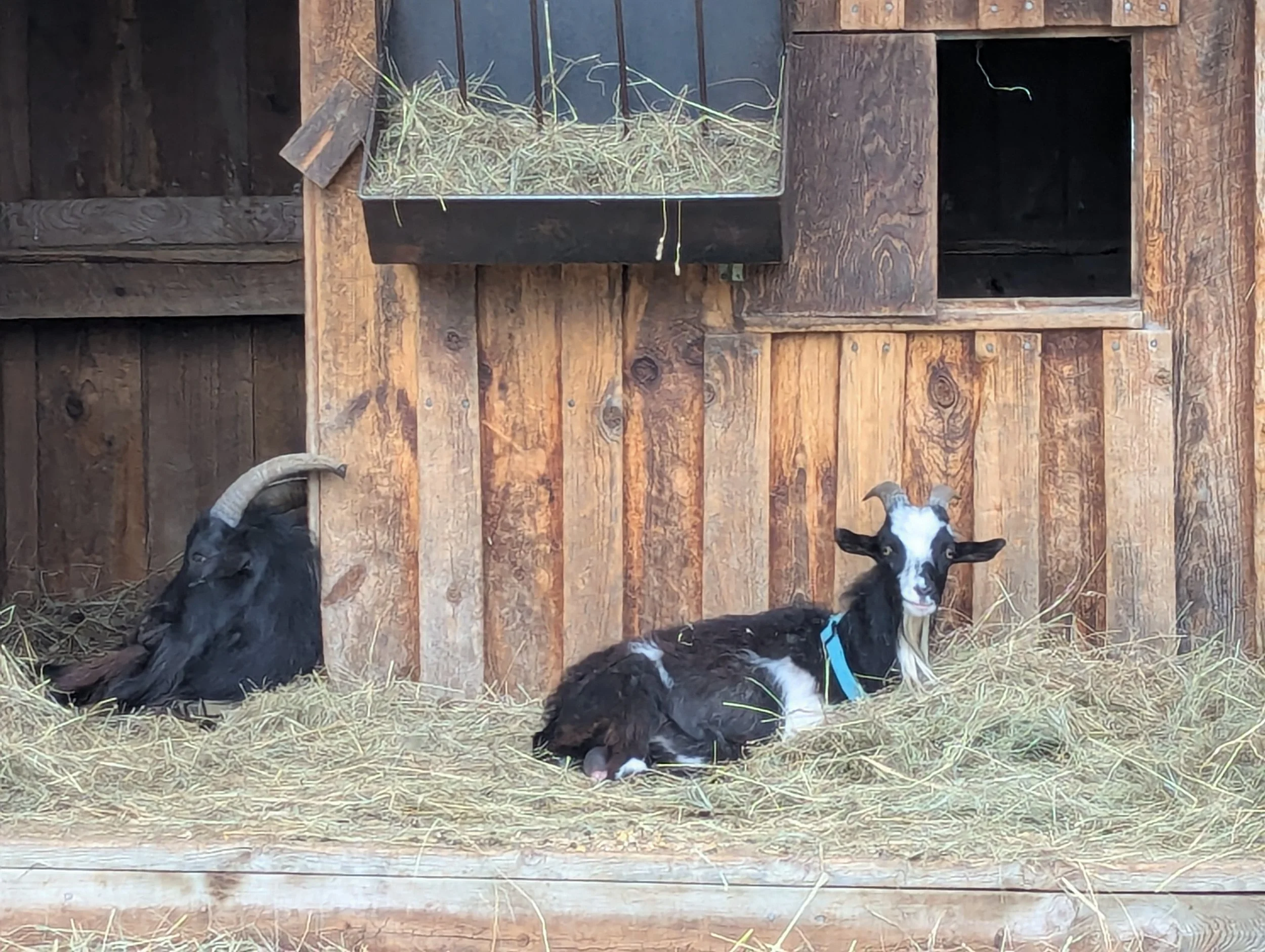
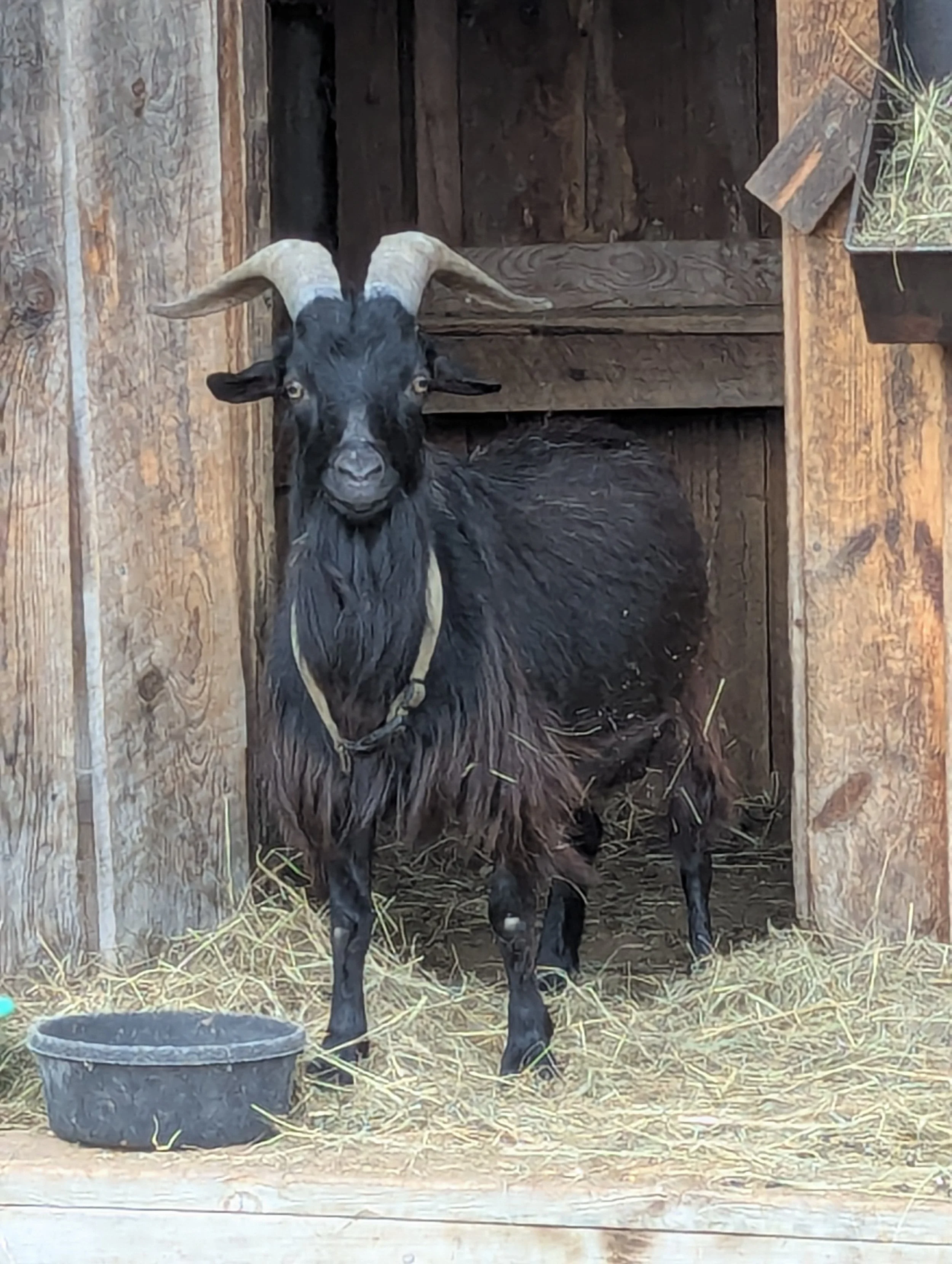
Oh yes, the new group of goats arrived a few weeks ago. One adult buck is solid black, and one younger buckling is black with many white patches. Plus another buckling and two does. It wasn’t my intention to get all of them, but there was a person interested in obtaining some SCI goats who decided the breed wasn’t for them. All of the goats are gaining good weight and are thriving in their new home. The plan with these bucks is to pair them with the San Clemente Island goat does I have, who don’t carry lines that are worth preserving. I have about 6 does that will be paired with these bucks, as well as some of my cream and black bucks, to observe the colors future kids have. As always, get a hold of me if you would like to participate in this color diversity project. Check out my value alignment statement and contract for details.
Pooka
Time and vet advice will help us decide what the best course of action is for this little doeling.
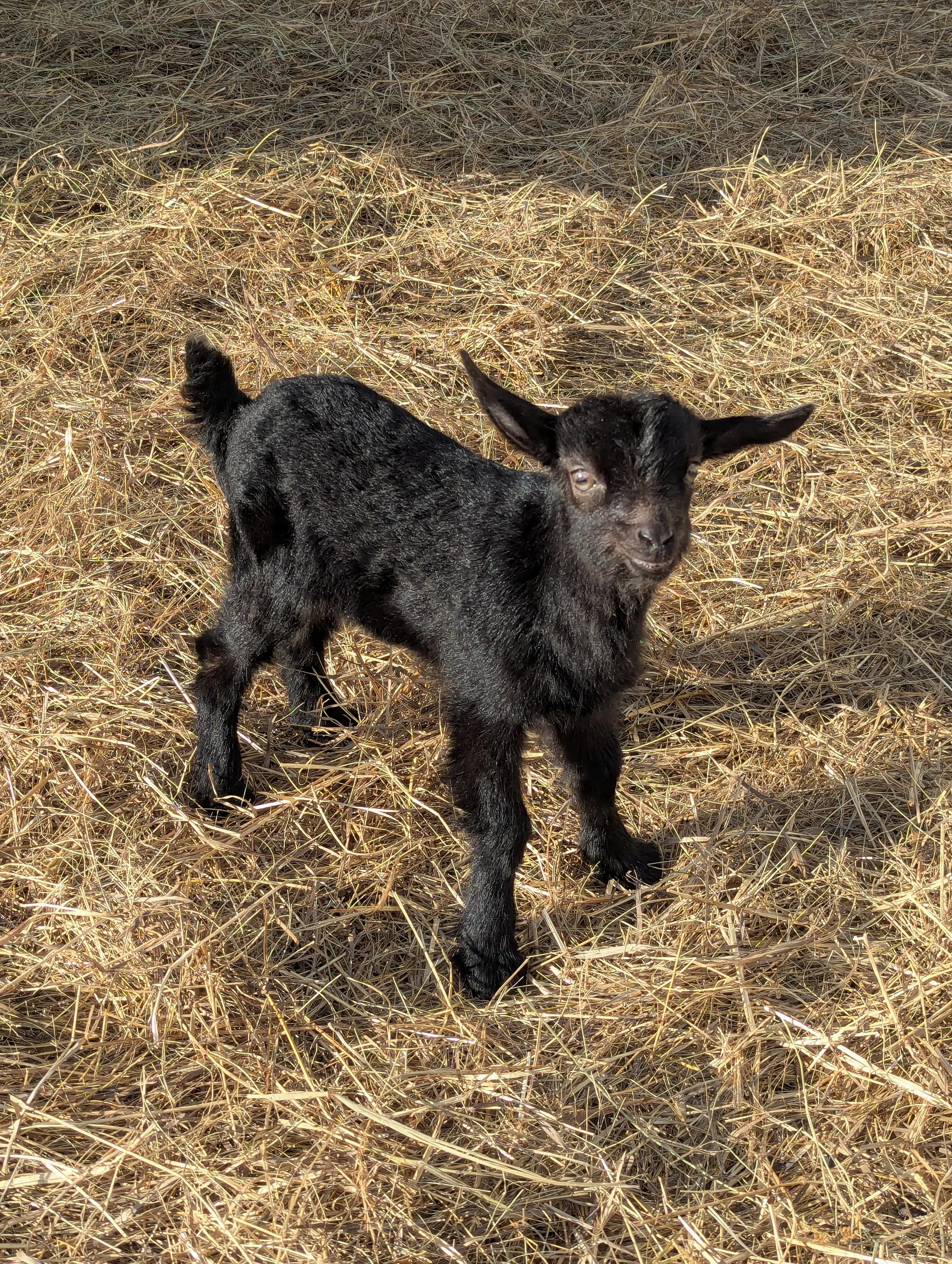
All but one of the SCI goat kids are thriving. The one questionable little doeling is named Pooka, who is also a very rare self-black doeling. Her mother rejected her, and I have been bottle-feeding her since April 1st. While she is growing, there seems to be some possible neurological impairment that isn’t allowing her to learn how to eat anything besides taking milk from a bottle. While I did finally see her drink water on her own for the first time a few days ago. She hasn’t caught on to eating hay, grass, or grain. I can stuff food into her mouth and she’ll eat it, but not on her own. And she is ostracized from the herd, which might have stunted her ability to safely observe behavior and mimic it. There are also a number of small things I observe with her that aren’t normal. Such as becoming overly stimulated and running around in a screaming panic, or not being able to jump and climb like her peers. I plan on getting her to a vet in early July for an opinion. I have raised bottle kids who picked up on normal goat behavior just fine. While it breaks my heart to recognize Pooka likely can’t have a healthy long-term life, I’m still glad I put forth effort to raise her and will continue to do so unless the prognosis is grim. Raising animals, or just observing nature, can open doors to experiences that run the gambit of magical and delightful to heart-wrenching and disturbing. This is all part of living, and being able to process these experiences in a healthy way is important.
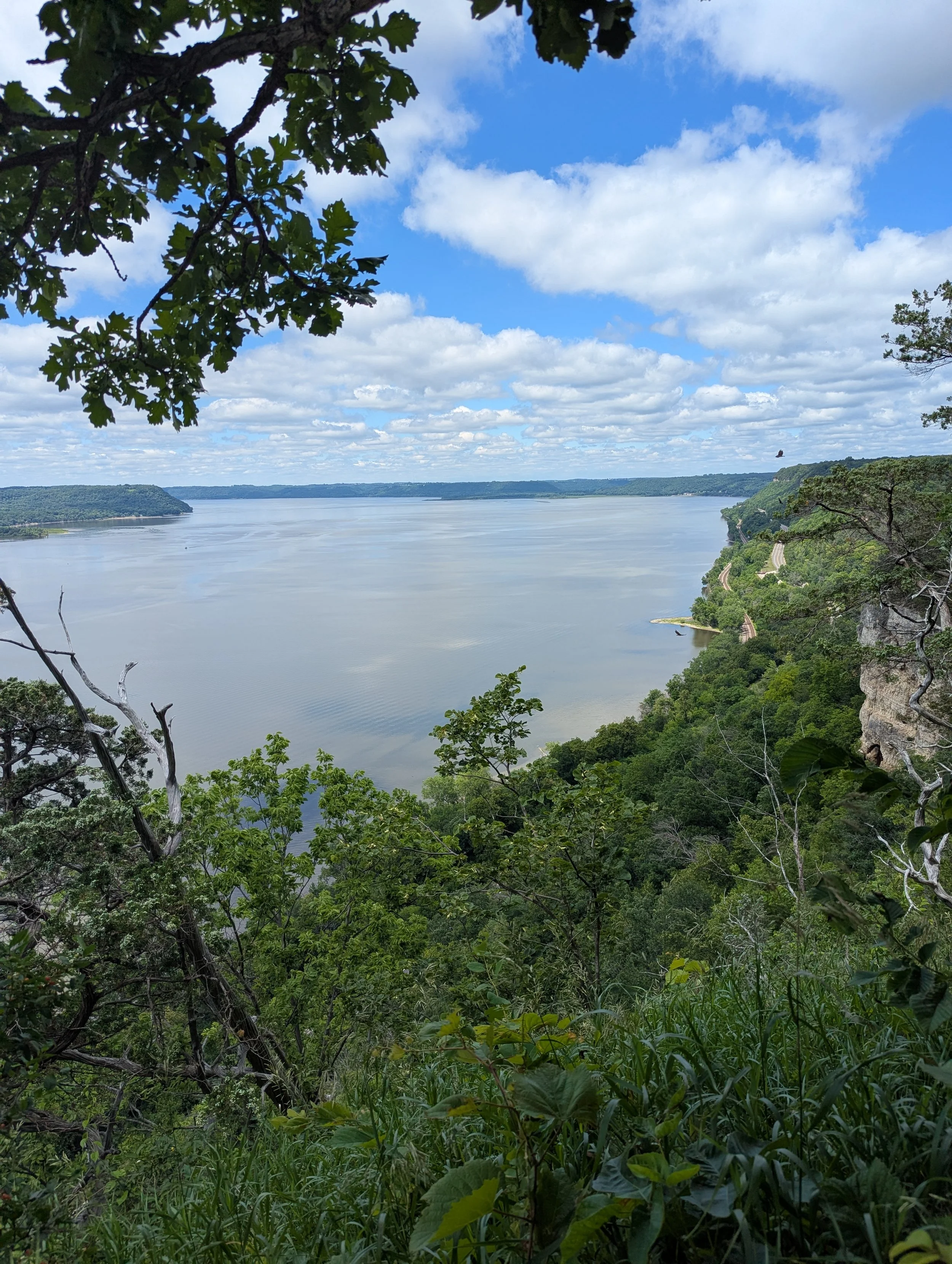
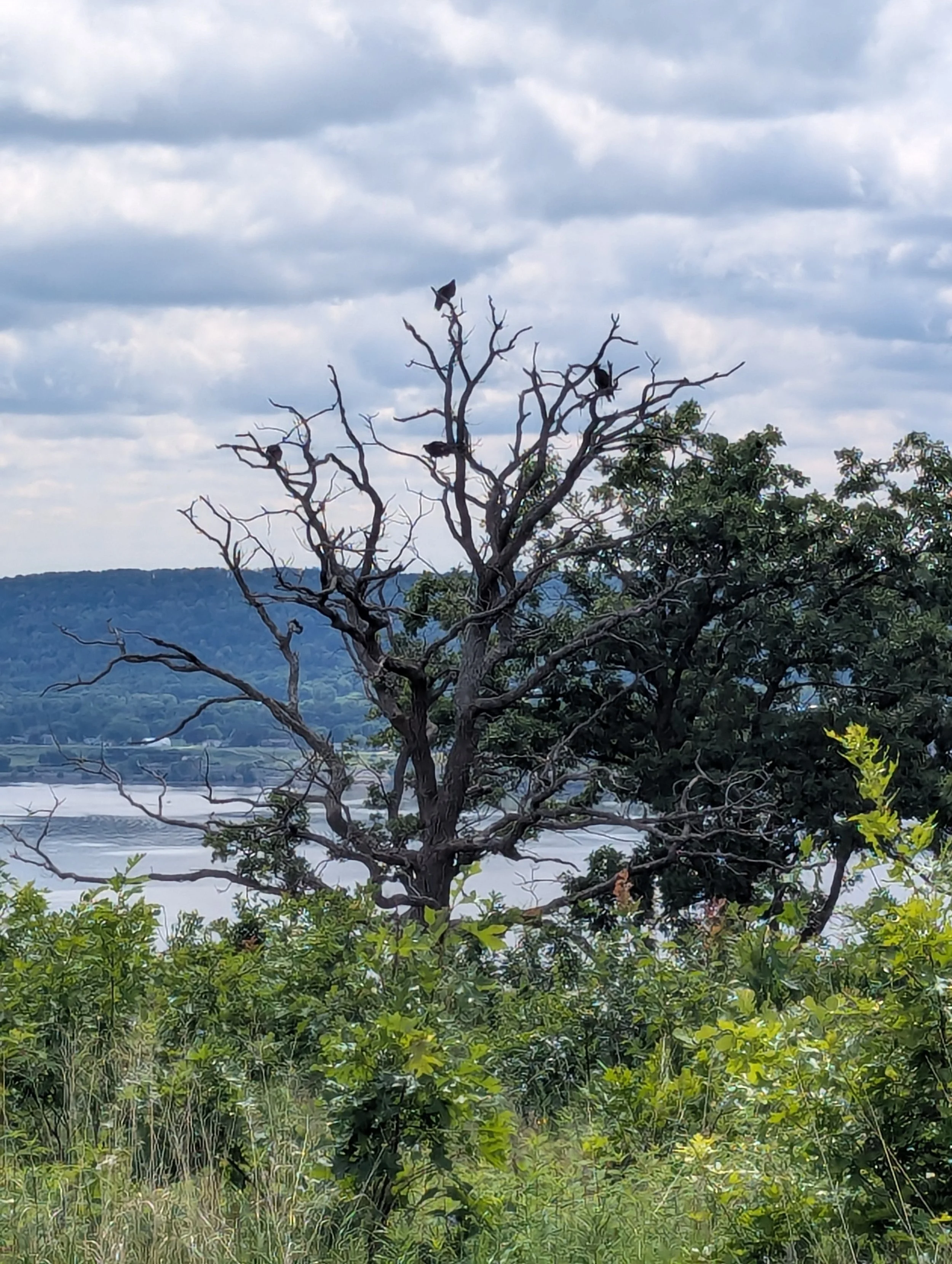
In early 2026 I worked on goal setting and intention creation. And one of the intentions is to continue working on having a more fun, social, and less stressful life in general, but especially in the summer. No matter what, there will always be extra busy periods in life. But I’m grateful to be able to spend more time going out and seeing bands and hanging out with good friends. Not to mention soaking up all the landscape that Wisconsin offers, like the bluffs along the Mississippi River.
Take care everyone,
-Erin